iPhone 17 Pro Max vs Galaxy S26 Ultra vs Galaxy S26 FE (flagship camera/battery vs budget value)
The smartphone landscape of 2026 has reached a fascinating crossroads. On one side, we have the "ultra-premium" titans that push the boundaries of mobile photography and silicon efficiency. On the other, we see the rise of the "flagship killer" reborn—devices that offer 90% of the experience for nearly half the price. As we look at the three most anticipated releases of the year—the iPhone 17 Pro Max, the Galaxy S26 Ultra, and the Galaxy S26 FE—consumers are faced with a difficult choice: is the pinnacle of engineering worth the investment, or has the value tier finally caught up?
Our picks at a glance8 products
- 01
 iPhone 17 Pro MaxCheck price
 - 02
 Galaxy S26 UltraCheck price
 - 03
 Galaxy S26 FECheck price
 - 04
 Camera PerformanceCheck price
 - 05
 Battery Life and Charging EfficiencyCheck price
 - 06
 Display Technology and Design TrendsCheck price
 - 07
 Software Ecosystems and AI IntegrationCheck price
 - 08
 Price and Long-Term ValueCheck price
This year, the narrative has shifted away from incremental updates toward meaningful longevity, generative AI integration, and specialized hardware. Whether you are a professional creator looking for the best lens array or a student seeking a reliable four-year device, understanding how these three models stack up is essential.
iPhone 17 Pro Max: The Refined Powerhouse

The iPhone 17 Pro Max represents Apple’s most significant design shift in several years. Moving into 2026, Apple has finally addressed the long-standing request for more versatile zoom capabilities while refining the titanium chassis to be even lighter and more durable. The centerpiece of this device is the new A19 Pro chip, built on a refined 2-nanometer process that prioritizes sustained performance and thermal management over raw peak speeds.
Apple has focused heavily on "Apple Intelligence 2.0," which operates natively on the iPhone 17 Pro Max. This allows for real-time video editing and object removal that feels instantaneous. The display remains a ProMotion LTPO panel, but with a new "ultra-low-glow" mode that allows the Always-On display to consume virtually zero power in dark environments. For the power user, the iPhone 17 Pro Max remains the gold standard for video recording, offering 8K ProRes at 60fps, a feat that requires the massive bandwidth of its updated internal storage controller.
Galaxy S26 Ultra: The Spec King

Samsung’s Galaxy S26 Ultra continues to be the Swiss Army knife of the mobile world. In 2026, the Ultra has leaned even further into its role as a desktop replacement and professional creative tool. Equipped with the Snapdragon 8 Gen 5 (for Galaxy), the S26 Ultra dominates synthetic benchmarks, particularly in multi-core tasks and ray-tracing performance for gaming.
The design has matured, featuring a more ergonomic "soft-edge" titanium frame that retains the iconic boxy silhouette while being more comfortable to hold for long periods. The integrated S Pen remains a unique selling point, now featuring lower latency that makes digital ink feel truly indistinguishable from paper. Samsung has also doubled down on its "Galaxy AI" suite, offering live two-way translation for third-party apps and a new "System-Wide Contextual Assistant" that can navigate your apps for you based on voice commands.
Galaxy S26 FE: The High-Value Alternative

The Galaxy S26 FE (Fan Edition) is perhaps the most important phone in Samsung's 2026 lineup. It is designed to capture the segment of the market that is weary of $1,200+ price tags but refuses to settle for a mid-range experience. By utilizing the Snapdragon 8 Gen 4—last year’s flagship chip—the S26 FE provides performance that still outclasses almost every other non-flagship on the market.
While it swaps the titanium of its older sibling for a high-quality "Glasstic" and aluminum frame, the S26 FE does not feel cheap. It retains the core DNA of the S26 series, including a vibrant 120Hz AMOLED display and a very capable triple-camera system. It is the pragmatic choice for 2026, offering a 5,000mAh battery and seven years of guaranteed software updates, ensuring that "value" doesn't mean "short-lived."
Camera Performance: Megapixels vs. Processing

The battle for camera supremacy in 2026 is no longer just about who has the largest sensor; it is about how that data is processed. The Galaxy S26 Ultra leads the charge with its 200MP main sensor, which uses improved pixel-binning technology to produce 50MP shots with incredible dynamic range. Its standout feature is the dual-periscope system, providing 3x and 10x optical zoom with a digital "Space Zoom" that is actually usable up to 50x thanks to AI sharpening.
The iPhone 17 Pro Max takes a different approach. Instead of chasing 200 megapixels, Apple has upgraded its entire rear array to 48MP sensors. This means the Ultra-Wide and the 5x Telephoto now have the same resolution as the Main camera, allowing for seamless transition between lenses during 4K and 8K recording. Apple’s "Photonic Engine" has been tuned to provide more natural skin tones and a depth-of-field effect in Cinematic Mode that looks indistinguishable from a dedicated mirrorless camera.
The Galaxy S26 FE, meanwhile, offers a "best of" compilation. It uses the 50MP main sensor from last year’s S25, which remains an elite performer. While it lacks the extreme zoom of the Ultra or the 8K ProRes of the iPhone, it delivers social-media-ready photos with vibrant colors and excellent night mode performance. For 90% of users, the S26 FE's camera is not just "good enough"—it’s excellent.
Battery Life and Charging Efficiency

In 2026, battery life has become a major differentiator. The iPhone 17 Pro Max benefits from the extreme efficiency of the A19 Pro chip. Even with a slightly smaller physical battery than the Samsung flagships, it often wins in "screen-on time" tests, especially during video playback and social media scrolling. Apple has also finally increased MagSafe charging speeds, allowing for a 50% charge in just 20 minutes with the correct adapter.
The Galaxy S26 Ultra packs a massive 5,500mAh battery. Samsung has focused on "AI Battery Management," which learns your usage patterns to put background apps to sleep more aggressively. The Ultra also supports 65W wired charging, which can fully top up the device in under 45 minutes. This remains a significant advantage over the iPhone for users who need a quick burst of power before heading out.
The Galaxy S26 FE is the surprise winner for many in this category. Because it uses a slightly less power-hungry display and a mature, optimized chipset, its 5,000mAh battery easily lasts two full days of moderate use. It supports 25W charging, which is slower than the Ultra but still sufficient for overnight charging or a mid-day top-up.
Display Technology and Design Trends

Display technology has hit a plateau of excellence, but there are still nuances to consider. The Galaxy S26 Ultra features the "Dynamic AMOLED 3X," which can reach a staggering 3,000 nits of peak brightness. This makes it the most legible phone in direct sunlight ever produced. The screen is also protected by the latest iteration of Gorilla Armor, which reduces reflections by up to 80%.
The iPhone 17 Pro Max stays with its "Super Retina XDR" display, but the 2026 model features a significantly reduced "Dynamic Island." Apple has managed to shrink the Face ID sensors, providing more screen real estate. The color accuracy on the iPhone remains the industry benchmark, making it the preferred choice for mobile photographers and colorists.
The Galaxy S26 FE offers a 6.7-inch FHD+ display. While it lacks the variable refresh rate that can go down to 1Hz (it toggles between 60Hz and 120Hz), the visual quality is stunning. The bezels are slightly thicker than those on the S26 Ultra, but the flat-edge design is preferred by many users who find curved or ultra-thin bezels prone to accidental touches.
Software Ecosystems and AI Integration

Software has become the primary reason users stay with or switch brands. In 2026, iOS 19 on the iPhone 17 Pro Max is more customizable than ever, finally allowing for a truly modular home screen and advanced automation through Siri, which is now powered by a large language model. The integration between the iPhone, Mac, and the new Vision Pro headsets remains a "walled garden" that is increasingly difficult to leave.
Samsung’s One UI 8.0 on the S26 Ultra and S26 FE offers a different kind of flexibility. The "Dex" mode allows you to plug your phone into a monitor and use it as a desktop computer, a feature that remains absent from the iPhone. Samsung’s partnership with Google has also resulted in superior AI search tools, such as "Circle to Search with Video," which can identify objects or music within a video you are currently watching.
The Galaxy S26 FE receives the same AI features as the Ultra, which is a massive win for value-conscious buyers. While some of the most intensive "generative" tasks might take a second longer on the FE, the core experience—AI photo editing, live translation, and note summarization—is fully present.
Price and Long-Term Value
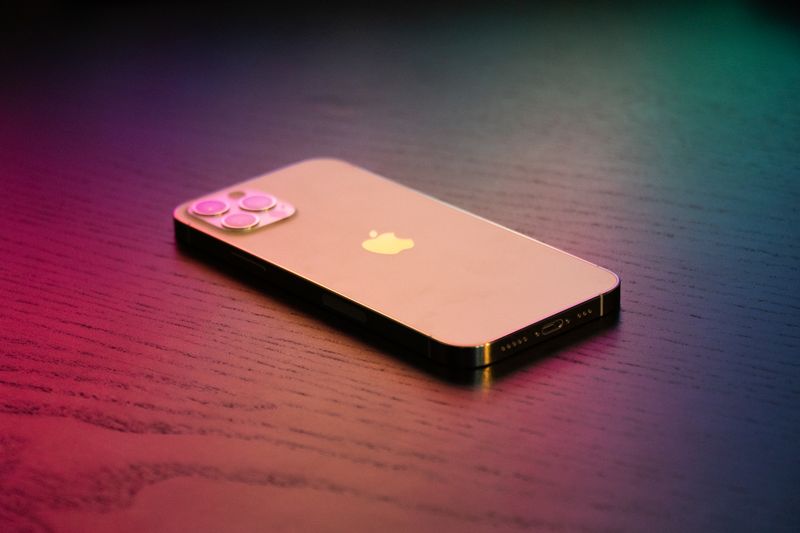
The final decision often comes down to the wallet. The iPhone 17 Pro Max and Galaxy S26 Ultra both sit in the $1,199 to $1,299 price bracket. At this price, you are paying for the "bleeding edge"—the best cameras, the fastest chips, and the most prestigious materials. These devices also hold their resale value remarkably well, particularly the iPhone, which remains a liquid asset in the used market even three years later.
The Galaxy S26 FE enters the market at $649. For this price, you are getting a device that performs like a flagship, looks like a flagship, and will be supported by software updates until 2033. For the average consumer who does not need to film professional-grade movies or use their phone as a desktop PC, the S26 FE represents the most logical financial decision of 2026.
Conclusion
Choosing between these three titans depends entirely on your priorities. The iPhone 17 Pro Max is the definitive choice for video creators and those deeply embedded in the Apple ecosystem who want the most polished, efficient experience possible. The Galaxy S26 Ultra is the undisputed king of productivity and zoom photography, offering a spec sheet that no other phone can match.
However, the Galaxy S26 FE is the "silent winner" of the year. It proves that the gap between "good" and "great" has narrowed to the point where the average user may no longer need to spend over $1,000 to get a premium experience. In 2026, whether you choose the luxury of the Pro Max and Ultra or the pragmatic value of the FE, you are stepping into an era where mobile technology is more capable, more intelligent, and more durable than ever before.
Where to buy
Prices change often, so check the current deal before you buy.
- iPhone 17 Pro MaxSee current deal ↗
- Galaxy S26 UltraSee current deal ↗
- Galaxy S26 FESee current deal ↗
- Camera PerformanceSee current deal ↗
- Battery Life and Charging EfficiencySee current deal ↗
- Display Technology and Design TrendsSee current deal ↗
- Software Ecosystems and AI IntegrationSee current deal ↗
- Price and Long-Term ValueSee current deal ↗


