Smart home setups under $300: best budget devices in 2026
The dream of a fully automated home was once a luxury reserved for those with thousands of dollars to spend on custom wiring and proprietary hubs. As we move through 2026, that reality has shifted dramatically. Thanks to the maturation of the Matter 2.0 protocol and the ubiquity of Thread-enabled devices, the barrier to entry has vanished. Today, $300 is no longer a "starter" budget; it is enough to build a comprehensive, multi-room ecosystem that handles security, lighting, and energy management with sophisticated AI-driven routines.

Our picks at a glance13 products
- 01
 The FoundationCheck price
 - 02
 Amazon Echo PopCheck price
 - 03
 Govee Life Smart LED BulbCheck price
 - 04
 TP-Link Tapo C125 Security CameraCheck price
 - 05
 Kasa Matter-Enabled Smart PlugCheck price
 - 06
 Third Reality Matter Motion SensorCheck price
 - 07
 Wyze Leak Sensor and ProbeCheck price
 - 08
 SwitchBot Curtain 4Check price
 - 09
 IKEA VALLHORN Motion SensorCheck price
 - 10
 Creating the "Efficiency First" SetupCheck price
 - 11
 Creating the "Security and Peace of Mind" SetupCheck price
 - 12
 The "Lifestyle and Ambience" SetupCheck price
 - 13
 Optimizing Your Budget Setup for 2026Check price
In 2026, the market is defined by interoperability. We are past the days of worrying whether a bulb works exclusively with Alexa or Google Home. Almost every budget device now speaks the same language, allowing you to mix and match hardware to get the best value for every dollar. This guide explores the best individual budget components and how to weave them into a cohesive $300 setup.
The Foundation: Matter and Thread in 2026
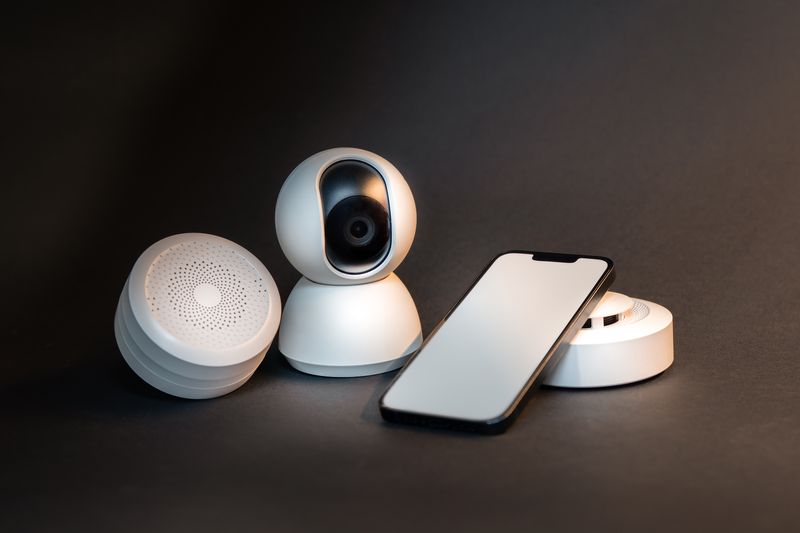
Before purchasing your first device, it is essential to understand why 2026 is the "golden age" of budget smart homes. The Matter standard has reached a level of stability where "plug-and-play" is finally a reality. Most budget devices now utilize Thread, a mesh networking protocol that is faster and more reliable than Wi-Fi for small devices. When building on a budget, look for the "Matter" logo. This ensures that even the cheapest sensor you buy today will work with the high-end hub you might buy three years from now.
Amazon Echo Pop (2nd Gen)
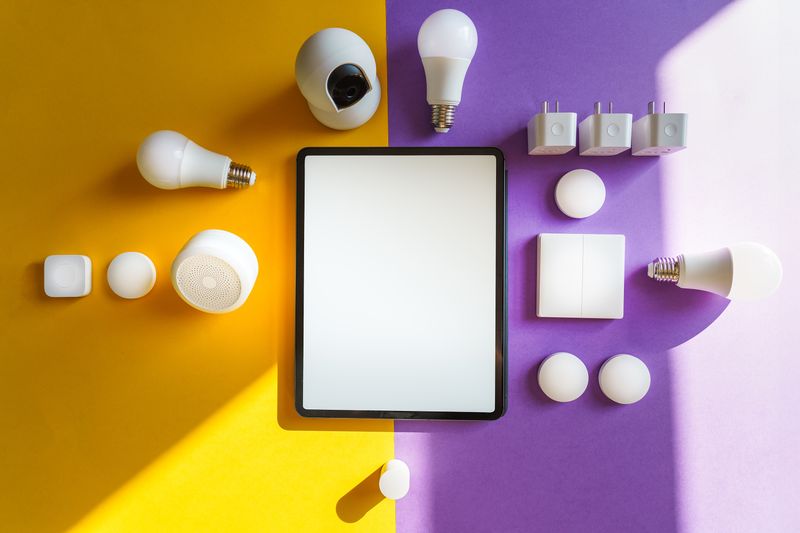
The 2026 iteration of the Echo Pop remains the undisputed king of budget hubs. Priced consistently around $40, it serves as more than just a smart speaker. In 2026, it functions as a Thread Border Router, meaning it can connect to your Thread-enabled bulbs and sensors directly without needing additional bridges. Its revamped N3 neural processor allows for "Local Voice Processing," meaning your basic commands—like turning off the lights—happen instantly, even if your internet connection is down. It is the perfect anchor for a $300 setup, providing a high-quality interface for voice control and routine management.
Govee Life Smart LED Bulb (4-Pack)
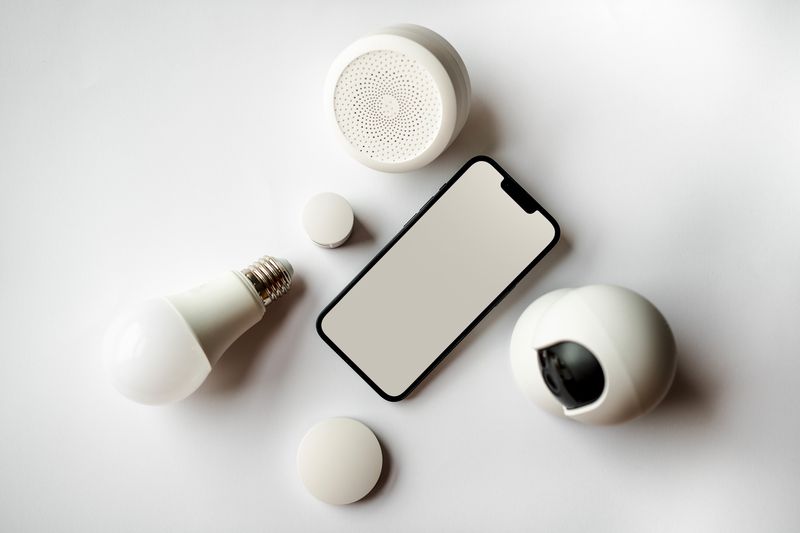
Lighting is the most impactful way to start a smart home, and Govee has dominated the budget space in 2026 by offering high-lumen, Matter-enabled bulbs at a fraction of the cost of legacy brands. A 4-pack typically retails for $35. These bulbs offer full RGBIC spectrums, allowing you to set schedules that mimic natural daylight to improve your circadian rhythm. Because they are Matter-compatible, you can group them with other brands seamlessly. For a budget setup, placing two in the living room and two in the bedroom provides an immediate "smart" feel to the entire home.
TP-Link Tapo C125 Security Camera

For home security on a budget, the Tapo C125 is the 2026 standout. Retailing for approximately $50, it offers 2K QHD resolution and, crucially, an integrated physical privacy shutter. In an era where data privacy is a top concern, being able to physically block the lens when you are home is a premium feature at a budget price. It supports local storage via microSD, saving you from the monthly subscription fees that often plague smart home budgets. Its AI-driven "Person and Pet Detection" is now standard, reducing false alerts from moving curtains or shadows.
Kasa Matter-Enabled Smart Plug (2-Pack)

Smart plugs are the "secret sauce" of a budget setup, turning "dumb" appliances like coffee makers, fans, or lamps into automated assets. The Kasa Matter-enabled plugs, priced at $25 for a pair, are incredibly compact and reliable. In 2026, these plugs also feature advanced energy monitoring. By plugging your older refrigerator or space heater into one of these, you can track energy spikes and set routines to turn devices off during "peak hours" to save on utility bills. This feature alone often allows the plug to pay for itself within the first year of use.
Third Reality Matter Motion Sensor

Automations are what truly make a home "smart," and motion sensors are the triggers that make those automations feel like magic. The Third Reality sensors have become a budget favorite in 2026 due to their simplicity and $20 price point. They run on standard AAA batteries and use Thread to communicate. Placing one in a hallway or bathroom allows your lights to turn on automatically when you enter and off when the room is vacant. This "walk-in, lights-on" experience is one of the most satisfying elements of a modern smart home, and it requires zero voice commands or app interactions.
Wyze Leak Sensor and Probe
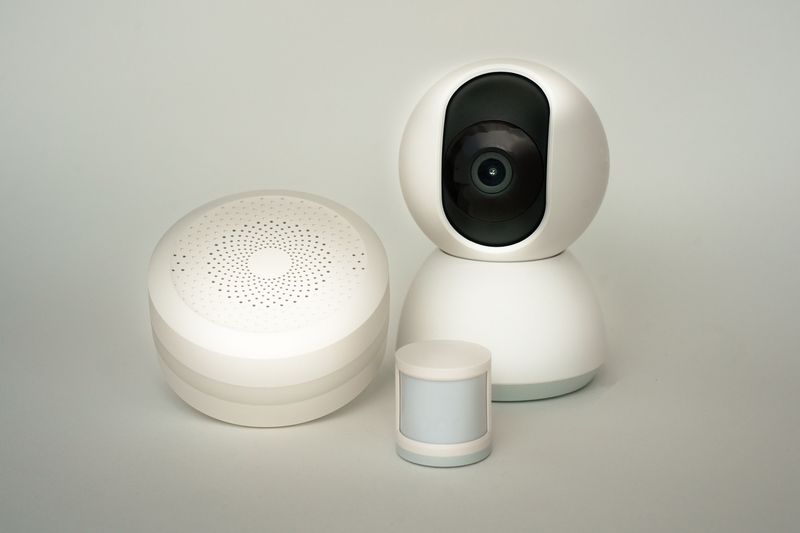
Protection against property damage is a vital part of a smart home that many beginners overlook. For $30, the Wyze Leak Sensor kit provides a hub and two sensors that can be placed under sinks or near a water heater. In 2026, these sensors integrate directly with your phone’s "Critical Alerts" system, ensuring you are notified of a leak even if your phone is on silent. Preventing a single flooded kitchen saves thousands of dollars, making this $30 investment the most cost-effective "insurance" you can buy.
SwitchBot Curtain 4

While slightly higher in price at around $80, the SwitchBot Curtain 4 is the ultimate "luxury" addition to a budget setup in 2026. It retrofits onto your existing curtain rods, allowing you to automate your window treatments. Integrating this into your $300 budget provides a level of automation that was previously impossible without expensive custom hardware. You can set your curtains to open gradually at sunrise, acting as a natural alarm clock, or close at sunset to preserve heat and enhance privacy.
IKEA VALLHORN Motion Sensor

If you need to expand your motion detection to outdoor areas or larger rooms, the IKEA VALLHORN is a 2026 budget staple at just $12. While it originally required an IKEA-specific hub, its 2026 firmware allows it to pair with any Matter-over-Thread controller. It is IP44 rated, meaning it can handle a splash of water, making it ideal for a covered porch or a garage. Using these to trigger outdoor floodlights (even "dumb" ones plugged into a smart plug) is a highly effective security measure.
Creating the "Efficiency First" Setup ($295 Total)

If your goal is to save money on bills while enjoying modern conveniences, here is how to allocate your $300 in 2026. This setup focuses on climate control and energy monitoring.
- Echo Pop ($40): Your central brain.
- Kasa Matter Plugs x4 ($50): For monitoring heavy appliances.
- Govee Smart Bulbs (4-Pack) ($35): For automated lighting schedules.
- Third Reality Motion Sensors x2 ($40): To ensure lights aren't left on in empty rooms.
- SwitchBot Curtain 4 ($80): To manage solar gain and insulation via windows.
- Wyze Leak Sensor Kit ($30): To prevent water damage.
- IKEA VALLHORN Sensor ($20): For entryway automation.
This configuration leaves you with $5 for a set of rechargeable batteries, creating a proactive home that works for you.
Creating the "Security and Peace of Mind" Setup ($290 Total)
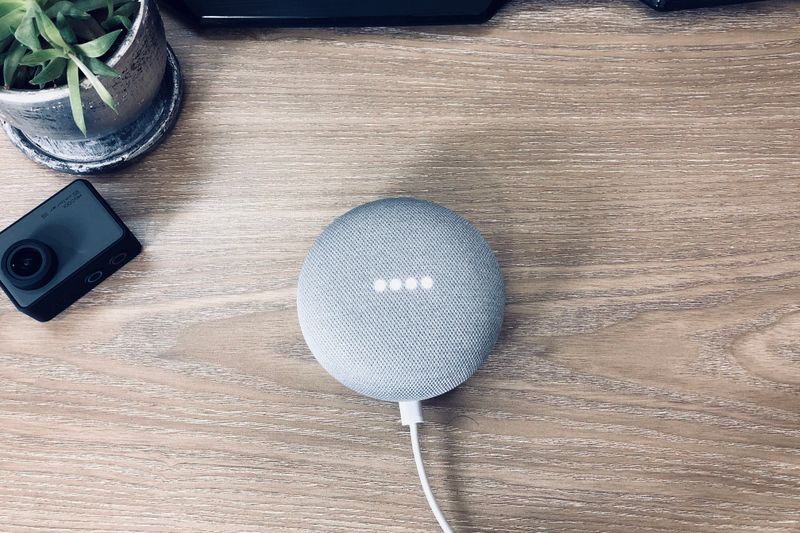
For those living in apartments or smaller homes who prioritize safety, the $300 budget can be stretched remarkably far in 2026.
- Echo Pop ($40): For siren alerts and voice control.
- Tapo C125 Cameras x2 ($100): For front and back indoor coverage.
- Third Reality Door/Window Sensors (4-Pack) ($45): To monitor entry points.
- Govee Smart Bulbs (4-Pack) ($35): To simulate occupancy when you are away.
- Wyze Leak Sensor Kit ($30): For internal structural safety.
- Kasa Smart Plug ($15): To automate a lamp or a radio for "away mode."
- Tapo Smart Button ($25): A physical "panic button" or a one-touch "All Lights Off" switch by the bed.
This setup provides 360-degree awareness and active deterrents without any monthly fees.
The "Lifestyle and Ambience" Setup ($295 Total)
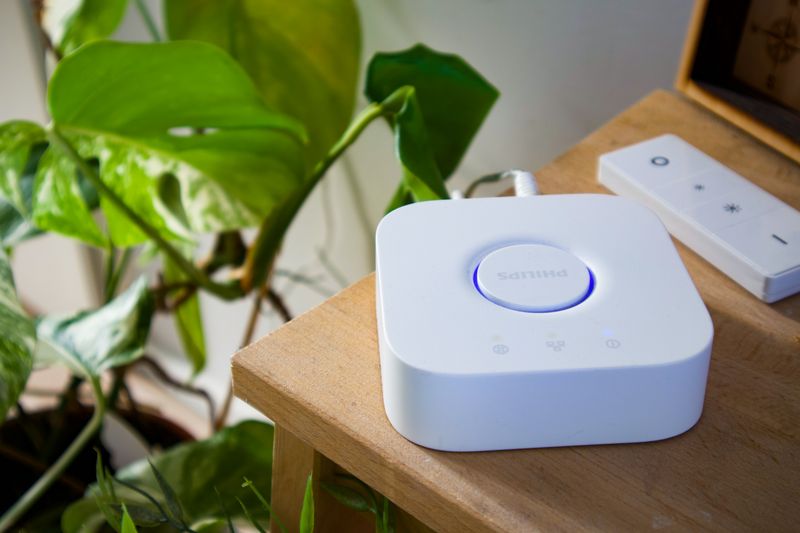
If you want your home to feel futuristic and responsive to your moods, focus your budget on lighting and entertainment integration.
- Echo Pop ($40): For music and voice control.
- Govee RGBIC Pro Strip Lights ($45): For under-cabinet or behind-TV bias lighting.
- Govee Smart Bulbs (4-Pack) ($35): For room-wide color scenes.
- SwitchBot Curtain 4 ($80): For automated morning light and movie night shading.
- Third Reality Motion Sensor ($20): To trigger "pathway lighting" in the kitchen at night.
- Tapo Smart Button ($25): To toggle between "Work Mode" and "Relax Mode" lighting.
- Kasa Smart Plug ($15): For a smart aroma diffuser or lava lamp.
- Wiz Portable Button ($35): To dim lights and start music from the couch.
Optimizing Your Budget Setup for 2026
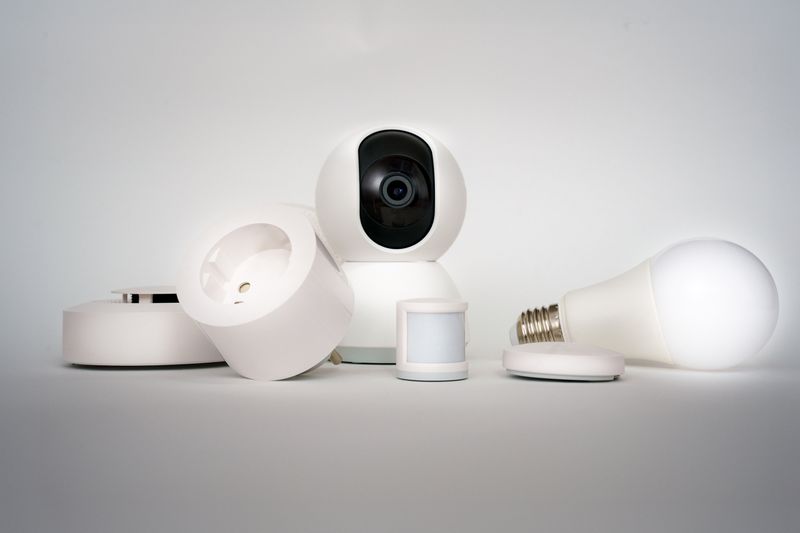
Building a smart home on a budget requires more than just buying the right gear; it requires a strategic approach to installation. In 2026, the most common mistake is over-complicating the setup. Start by assigning every device a static name in your preferred app. Instead of "Bulb 1," use "Living Room Sofa Lamp." This ensures that your voice assistant understands your commands the first time, every time.
Furthermore, take advantage of "Local Scenes." Because Matter-enabled devices in 2026 can communicate directly with each other, you should set up your most important routines to run locally. For example, if a motion sensor detects movement, it should trigger the light directly through your Thread mesh rather than sending a signal to the cloud and back. This results in sub-100ms latency, making the technology feel invisible and responsive.
Conclusion
The 2026 smart home landscape has proven that you don't need a massive investment to enjoy a sophisticated, automated living space. By focusing on Matter-compatible devices and prioritizing high-utility items like smart bulbs, motion sensors, and security cameras, a $300 budget can transform a standard living space into a reactive, efficient environment. Whether you prioritize saving energy, enhancing security, or simply adding a touch of modern convenience, the budget devices available today offer a level of performance and reliability that was unimaginable just a few years ago. Start with a solid hub, choose your ecosystem, and build your setup one smart choice at a time.
Where to buy
Prices change often, so check the current deal before you buy.
- The FoundationSee current deal ↗
- Amazon Echo PopSee current deal ↗
- Govee Life Smart LED BulbSee current deal ↗
- TP-Link Tapo C125 Security CameraSee current deal ↗
- Kasa Matter-Enabled Smart PlugSee current deal ↗
- Third Reality Matter Motion SensorSee current deal ↗
- Wyze Leak Sensor and ProbeSee current deal ↗
- SwitchBot Curtain 4See current deal ↗
- IKEA VALLHORN Motion SensorSee current deal ↗
- Creating the "Efficiency First" SetupSee current deal ↗
- Creating the "Security and Peace of Mind" SetupSee current deal ↗
- The "Lifestyle and Ambience" SetupSee current deal ↗
- Optimizing Your Budget Setup for 2026See current deal ↗