Sustainable tech buying guide: repairable, solar-powered, eco-friendly gadget picks
In 2026, the conversation surrounding consumer electronics has shifted from "how fast is it?" to "how long will it last?" As the global community grapples with the escalating electronic waste crisis, which reached record peaks in the early 2020s, a new generation of conscious consumers is demanding more from their devices. We are no longer satisfied with glued-shut chassis, proprietary screws, and planned obsolescence. Instead, the modern tech landscape is being defined by modularity, repairability, and renewable energy integration.

Our picks at a glance10 products
- 01
 The Pillars of Sustainable Technology in 2026Check price
 - 02
 Fairphone 6Check price
 - 03
 Framework Laptop 16Check price
 - 04
 Garmin Instinct 3 SolarCheck price
 - 05
 Urbanista Los Angeles Gen 2Check price
 - 06
 Fairbuds XLCheck price
 - 07
 Anker Solix C1000 with Portable Solar PanelsCheck price
 - 08
 Gomi SpeakerCheck price
 - 09
 Teracube 2eCheck price
 - 10
 Extending the Life of Your Current DevicesCheck price
Sustainable technology is no longer a niche market for environmental enthusiasts; it has become a standard for excellence. With the European Union’s strict "Right to Repair" laws now in full effect and global supply chains favoring recycled minerals over newly mined ones, 2026 is the best year yet to transition to a greener digital lifestyle. This guide explores the philosophy of sustainable tech and highlights the best eco-friendly gadgets currently leading the charge toward a circular economy.
The Pillars of Sustainable Technology in 2026

Before diving into specific product recommendations, it is essential to understand what makes a gadget truly "sustainable." A green label or a recycled cardboard box is no longer enough to satisfy savvy consumers. In 2026, sustainability is measured by three primary pillars:
1. Repairability and Modularity: Can the battery be replaced without professional tools? Are spare parts available to the public? A sustainable device is one that can be fixed rather than replaced.
2. Material Sourcing and Circularity: Is the device made from post-consumer recycled (PCR) plastics or "fair-mined" metals? More importantly, can the device be easily disassembled and recycled at the end of its life?
3. Energy Efficiency and Autonomy: Does the device minimize its carbon footprint during use? Solar-powered gadgets represent the pinnacle of this pillar, harvesting ambient light to reduce or eliminate the need for grid-based charging.
By focusing on these criteria, consumers can significantly reduce their personal carbon footprint while forcing the industry to move away from the "take-make-waste" model.
Fairphone 6: The Pinnacle of Modular Smartphone Design
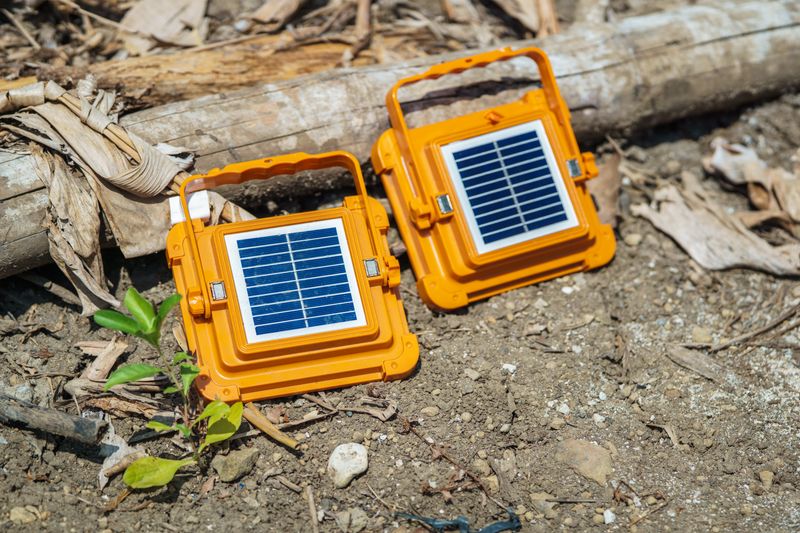
The Fairphone 6 remains the gold standard for ethical mobile communication in 2026. While mainstream competitors have only recently begun to offer basic repair kits, Fairphone has perfected the art of the modular smartphone. The device is designed with a series of user-replaceable modules, allowing owners to swap out the screen, battery, camera sensors, and even the USB-C port using nothing more than a standard screwdriver.
What sets the Fairphone 6 apart in the current market is its commitment to longevity. The company guarantees software support and security updates for at least eight years, directly challenging the industry average of three to four years. The internal components are sourced from conflict-free mines, and the company maintains a living wage program for the factory workers who assemble the units. For the 2026 consumer, the Fairphone 6 isn't just a phone; it’s a statement against the culture of disposable electronics.
Framework Laptop 16: The High-Performance Modular Workstation

Framework revolutionized the PC industry a few years ago, and their 2026 iteration of the Framework Laptop 16 is a testament to the power of modular design. This laptop is built on the premise that you should never have to buy a new computer just because one component becomes outdated or fails.
The Framework Laptop 16 features an Expansion Bay system that allows users to upgrade their discrete graphics card, add more storage, or even swap out the entire motherboard as new processor generations emerge. The Input Module system also allows for complete customization of the keyboard and trackpad layout. By keeping the chassis and screen for a decade or more while only upgrading the internal "brains," users can reduce their electronic waste by up to 80% compared to traditional laptop ownership cycles.
Garmin Instinct 3 Solar: Infinite Battery Through Solar Innovation

The Garmin Instinct 3 Solar has become the definitive choice for outdoor enthusiasts and eco-conscious commuters alike. In 2026, Garmin’s Power Glass technology has reached a level of efficiency where, under the right light conditions, the watch can operate indefinitely without ever being plugged into a wall outlet.
This device utilizes high-efficiency photovoltaic cells integrated into the watch face to harvest energy from both direct sunlight and indoor ambient lighting. Beyond its energy autonomy, the Instinct 3 Solar is built to MIL-STD-810 standards for thermal, shock, and water resistance, ensuring it survives the harshest environments. In a world where most smartwatches are destined for a drawer after two years when their non-replaceable batteries degrade, the Instinct 3 stands out as a durable, self-sustaining alternative.
Urbanista Los Angeles Gen 2: Self-Charging Audio Experience

Headphones are one of the most frequently replaced tech accessories due to battery failure. The Urbanista Los Angeles Gen 2 addresses this head-on by integrating Exeger’s Powerfoyle solar cell material into the headband. This breakthrough material converts all forms of light—natural or artificial—into clean energy.
For most users in 2026, these headphones provide "infinite" playtime. As long as they are kept in a well-lit room or worn outside, the battery remains topped up. The second-generation model features improved energy conversion rates and a more sustainable construction, utilizing 90% recycled plastics. By eliminating the need for frequent charging cycles, the Urbanista Los Angeles Gen 2 extends the overall lifespan of the internal lithium-ion battery, making it a leader in sustainable audio.
Fairbuds XL: The Only Fully Repairable Over-Ear Headphones
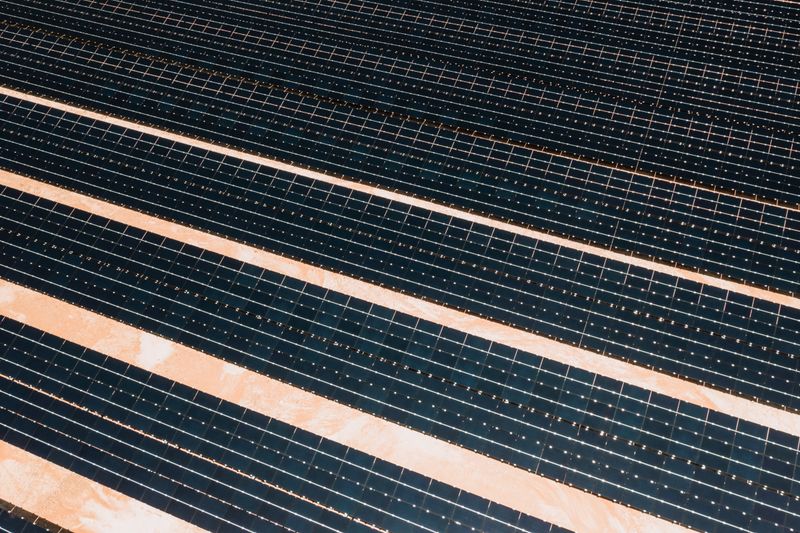
While solar power is one way to achieve sustainability, repairability is another. The Fairbuds XL are the first premium over-ear headphones designed to be completely dismantled. Almost every part of these headphones, from the ear cushions and headband padding to the internal drivers and the battery, can be purchased separately and replaced by the user.
In 2026, as Bluetooth standards evolve, the Fairbuds XL remain relevant because their internal communication modules are also modular. This design prevents the "perfectly functional but outdated" syndrome that plagues most high-end wireless audio gear. Furthermore, the Fairbuds XL are Climate Neutral Certified, meaning the carbon emissions generated during their production have been fully offset through verified environmental projects.
Anker Solix C1000 with Portable Solar Panels
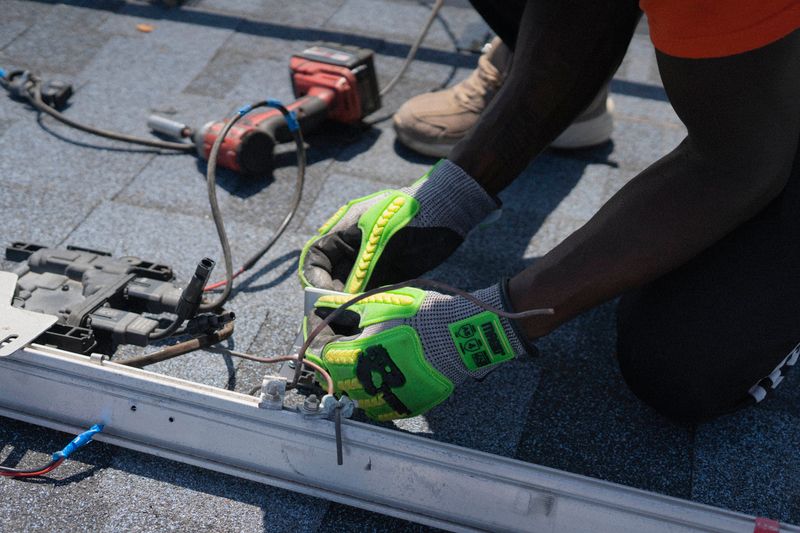
For those looking to green their entire home office or camping setup, the Anker Solix C1000 portable power station represents the cutting edge of consumer energy storage. When paired with Anker’s 200W foldable solar panels, this system allows users to create a localized microgrid.
The Solix C1000 uses Lithium Iron Phosphate (LiFePO4) batteries, which are significantly more durable and safer than traditional lithium-ion chemistries. These batteries are rated for over 3,000 charge cycles, meaning they can be used daily for nearly a decade before seeing any significant capacity loss. Whether you are using it to power your Framework laptop during a blackout or taking it off-grid for a weekend, this setup provides a carbon-free way to stay connected.
Gomi Speaker: Turning Waste Into High-Fidelity Sound

The Gomi Speaker is a masterclass in the circular economy. Based in Brighton, Gomi has scaled its operations in 2026 to become a global leader in "upcycled" electronics. Each speaker is handcrafted using non-recyclable plastic waste that would otherwise end up in landfills or the ocean. The marbled aesthetic of each unit is unique, reflecting the specific blend of waste plastics used in that batch.
Internally, Gomi utilizes repurposed battery cells taken from old e-bikes and electric vehicles. By testing and re-certifying these "second-life" batteries, Gomi prevents high-value materials from being wasted. The speakers themselves are designed for easy disassembly, and Gomi offers a "Repairs for Life" program, ensuring that your audio gear never contributes to the growing pile of global e-waste.
Teracube 2e: The Budget-Friendly Sustainable Alternative

Sustainability shouldn't be a luxury exclusive to those who can afford premium price tags. The Teracube 2e is a 2026 favorite for budget-conscious consumers who still want to make an ethical choice. This smartphone features a user-replaceable battery and a biodegradable case included in the box.
What makes Teracube unique is its four-year factory warranty, which is significantly longer than the industry standard. This warranty is designed to encourage users to keep their phones longer, with low-cost repair options for accidental damage like cracked screens. The Teracube 2e proves that eco-friendly design can be accessible, providing a functional, durable, and ethical entry point into the world of sustainable tech.
How to Spot Greenwashing in the Tech Industry

As "eco-friendly" becomes a major selling point, many companies engage in greenwashing—making misleading claims about the environmental benefits of their products. To make an informed purchase in 2026, look for the following "real" markers of sustainability:
- iFixit Repairability Scores: Always check the iFixit database. A high score (7/10 or higher) indicates that a device is truly designed to be opened and repaired.
- EPEAT Gold Rating: The Electronic Product Environmental Assessment Tool (EPEAT) is a global rating system. Look for "Gold" status, which indicates the highest level of environmental performance.
- Transparency Reports: Legitimate sustainable brands publish detailed reports on their supply chains, carbon footprints, and labor practices. If a company hides its factory locations or mineral sources, proceed with caution.
- Modular Hardware Standards: Look for devices that follow open standards rather than proprietary connectors. This ensures that you will be able to find replacement parts or upgrades years down the line.
Extending the Life of Your Current Devices

The most sustainable gadget is the one you already own. Before rushing out to buy the latest solar-powered or modular device, consider how you can extend the life of your current tech. In 2026, software optimization and hardware maintenance have become easier than ever.
Regularly cleaning dust from laptop fans, avoiding "fast charging" when not necessary to preserve battery health, and utilizing "de-bloated" operating systems can all add years to a device's lifespan. If a repair seems too daunting, 2026 has seen a massive rise in local "Repair Cafés"—community spaces where experts help you fix your electronics for free or a nominal fee. By participating in these local circular economies, we reduce the demand for new resource extraction.
Conclusion: Investing in a Greener Digital Future
Choosing sustainable tech is no longer about making sacrifices in performance or style. As we have seen with the Fairphone 6, the Framework Laptop, and the innovative solar-powered gear from Garmin and Urbanista, the most ethical choices are often the most advanced. These products offer a level of autonomy, durability, and user-empowerment that traditional "big tech" manufacturers are only beginning to emulate.
In 2026, every purchase is a vote for the kind of world we want to inhabit. By prioritizing repairability, solar integration, and ethical sourcing, we can enjoy the benefits of a connected world without compromising the health of our planet. Sustainable technology is the future, and that future is modular, renewable, and built to last.
Where to buy
Prices change often, so check the current deal before you buy.
- The Pillars of Sustainable Technology in 2026See current deal ↗
- Fairphone 6See current deal ↗
- Framework Laptop 16See current deal ↗
- Garmin Instinct 3 SolarSee current deal ↗
- Urbanista Los Angeles Gen 2See current deal ↗
- Fairbuds XLSee current deal ↗
- Anker Solix C1000 with Portable Solar PanelsSee current deal ↗
- Gomi SpeakerSee current deal ↗
- Teracube 2eSee current deal ↗
- Extending the Life of Your Current DevicesSee current deal ↗