Best Portable Drives for Photographer Workflows
Fast and reliable external storage is essential for modern photographers dealing with massive RAW image files and 4K or 8K video footage on location. This guide highlights the most reliable and capable portable solid-state drives available for backing up and editing work in the field.

Our picks at a glance6 products





How We Chose
- Focused on models offering sustained high transfer speeds to handle large batches of high-resolution image files without severe thermal throttling.
- Prioritized physical durability features, including water resistance, dust sealing, and drop-protection ratings suitable for outdoor shoots.
- Analyzed long-term reliability reports and user consensus regarding firmware stability and connection reliability across various operating systems.
- Evaluated form factor, cable inclusion, and overall value relative to storage capacity tiers.
SanDisk Professional Pro-G40 SSD

The SanDisk Professional Pro-G40 SSD is built for demanding production environments where speed and physical resilience matter equally. Encased in a distinctive cooling aluminum core surrounded by a rubberized bumper, this drive achieves exceptionally high transfer rates by supporting both Thunderbolt 3 and USB 3.2 Gen 2 connections. This dual-protocol capability makes it exceptionally versatile when moving between modern Mac systems and standard Windows editing workstations. Photographers working on location will appreciate the high IP68 rating, which means the drive is protected against dust ingress and can withstand immersion in water, alongside a high crush-resistance rating that guards against accidental impacts inside crowded gear bags. A notable drawback is the physical warmth the aluminum chassis can generate during extended, continuous write operations, though this design effectively dissipates heat away from internal components to maintain peak performance. It also carries a premium price point compared to standard consumer-grade alternatives.
Best for: Field photographers needing extreme durability and multi-protocol connectivity.
Skip if: You operate on a tight budget and only need basic USB speeds.
Samsung T7 Shield

The Samsung T7 Shield is a widely trusted choice for photographers who require dependable performance wrapped in a tough, pocket-friendly package. Covered in a thick layer of textured elastomer rubber, this drive absorbs shocks from drops up to several feet while providing a secure grip when handling it with cold or wet hands. It delivers consistent read and write speeds that easily handle large exports from Lightroom or Capture One directly on the go. The drive also includes an IP65 rating for water and dust resistance, offering peace of mind when shooting in coastal environments or dusty deserts. AES 256-bit hardware encryption is built-in for data security, managed through accompanying software. One limitation to consider is that its maximum transfer speeds are capped by standard USB 10Gbps limits, meaning it cannot take advantage of the ultra-fast throughput offered by newer Thunderbolt ports. Additionally, the included USB-C cable is relatively short, which can occasionally make desk setups awkward.
Best for: Everyday field backup and reliable editing on standard USB ports.
Skip if: You require lightning-fast Thunderbolt speeds for massive multi-terabyte transfers.
Crucial X10 Pro
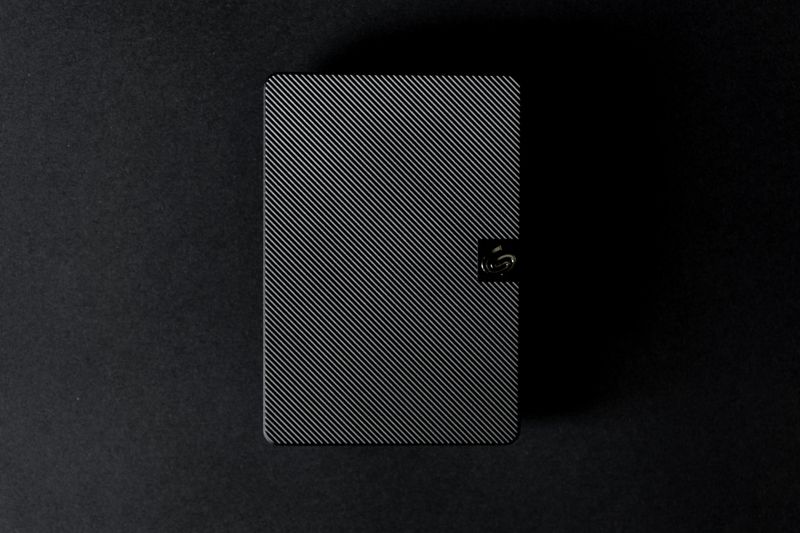
The Crucial X10 Pro strikes a compelling balance between professional-grade speed and an exceptionally compact physical footprint. Measuring not much larger than a standard car key, it fits effortlessly into a shirt pocket or camera strap pouch while delivering impressive performance metrics that leverage USB 3.2 Gen 2x2 connectivity. For photographers managing extensive catalogs of high-megapixel RAW files, the quick burst and sustained transfer rates significantly cut down backup times at the end of a long shooting day. The drive features a water and dust-resistant design with a rubberized, soft-touch exterior that dampens vibrations and resists everyday wear. A minor downside is that to achieve its maximum advertised speeds, your computer must support USB 3.2 Gen 2x2, a port standard that is still absent on many older laptops and certain Mac configurations, reverting to slower speeds if compatibility is lacking. Furthermore, the drive lacks hardware-level encryption software options out of the box.
Best for: Photographers wanting maximum speed in the smallest possible physical form factor.
Skip if: Your computer lacks a compatible high-speed USB port to utilize its full potential.
LaCie Rugged SSD Pro

The LaCie Rugged SSD Pro is a staple in professional photography and video kits, recognized immediately by its bright orange bumper designed by Neil Poulton. This drive utilizes a Thunderbolt interface to deliver phenomenal data transfer rates, making it an ideal scratch disk for working directly with massive image catalogs or heavy video projects without lagging. Built to endure harsh environments, it boasts an IP67 rating for water and dust resistance alongside heavy-duty drop and crush protection. LaCie also bundles a valuable rescue data recovery service plan with the drive, offering an extra layer of security for irreplaceable professional shoots. On the downside, the physical footprint is noticeably bulkier and heavier than sleek consumer alternatives, and the integrated rubber bumper can attract pocket lint and dust over time. It is also significantly more expensive per gigabyte than standard portable SSDs on the market.
Best for: High-end professional shoots in extreme weather and demanding field conditions.
Skip if: You prefer a lightweight, minimalist drive that easily slips into a small pocket.
WDBlack P50 Game Drive SSD

While marketed primarily toward gaming enthusiasts, the WD_Black P50 Game Drive SSD is equally well-suited for high-throughput digital photography workflows thanks to its top-tier transfer speeds. Utilizing a SuperSpeed USB interface, it handles massive data transfers with ease, making it a reliable choice for backing up high-speed burst sequences from flagship mirrorless cameras. The industrial, military-inspired metal casing is robust and durable, designed to withstand the rigors of travel and transport in busy camera bags. It provides consistent performance over long data transfers without dropping connection integrity. A primary drawback is its physical design; the sharp edges of the metal chassis can scratch other delicate gear stored nearby if not kept in a dedicated pouch. It is also physically larger and heavier than most other portable SSDs in its class, reducing its portability advantage for ultra-light travelers.
Best for: Studio and location photographers moving massive multi-gigabyte archives quickly.
Skip if: You want a lightweight, pocket-friendly drive with soft, rounded edges.
Kingston XS2000

The Kingston XS2000 offers high-speed performance at a more accessible price point, making it a popular choice for budget-conscious photographers looking to upgrade their field workflow. Utilizing USB 3.2 Gen 2x2 architecture, it provides rapid file transfers that make quick work of importing hundreds of high-resolution images into editing software. The drive comes with a removable rubber sleeve that adds a degree of water and dust resistance, helping protect it from minor splashes and particulate matter on location. Its ultra-small, lightweight chassis takes up virtually no space in a camera bag. However, the included rubber sleeve must be attached manually and can feel loose or easily misplaced when removed. Additionally, like other ultra-fast USB drives, it requires a compatible host port to achieve its top speeds, and sustained write operations over long periods can cause the drive to run quite warm.
Best for: Photographers seeking fast transfer speeds on a budget.
Skip if: You need rugged, permanently sealed waterproofing without relying on a slip-on sleeve.
What to Look For
- Interface and Speed Compatibility: Match the drive protocol—whether USB, USB-C, or Thunderbolt—to the specific ports on your editing computer to avoid performance bottlenecks.
- Durability and Ingress Protection: Look for IP ratings and rubberized bumpers if you frequently shoot outdoors in rain, dust, or rugged terrain.
- Capacity Needs: Consider your typical shoot volume; high-megapixel cameras and video capture require capacities starting at one or two terabytes minimum.
- Thermal Management: Ensure the drive utilizes effective heat dissipation, such as an aluminum core, to prevent performance slowdowns during massive file dumps.
- Included Cables: Check what cables come in the box, as purchasing separate high-speed Thunderbolt or USB-C cords can add unexpected extra cost.
Bottom Line
Choose the SanDisk Professional Pro-G40 or LaCie Rugged SSD Pro if your work involves harsh weather and demanding professional travel. Opt for the Samsung T7 Shield or Crucial X10 Pro if you value a compact, reliable everyday drive for standard editing tasks. Select the Kingston XS2000 if fast transfer speeds on a tighter budget are your primary concern.
Where to buy
Prices change often, so check the current deal before you buy.
Links go to Amazon. As an Amazon Associate we earn from qualifying purchases.