Top 5 E-Ink Notebook Tablets for Handwritten Notes & Digital Reading
As we move further into 2026, the boundary between traditional paper and digital convenience has almost entirely dissolved. For professionals, students, and creative thinkers, the E-Ink notebook tablet has transitioned from a niche luxury to a fundamental productivity tool. Unlike standard tablets that emit harsh blue light and offer a myriad of notifications designed to fracture your attention, E-Ink devices provide a tactile, reflective surface that mimics the experience of ink on paper.

Our picks at a glance5 products



The landscape of digital paper technology has evolved rapidly over the last two years. We have seen significant breakthroughs in refresh rates, the standardization of color E-Ink displays, and software ecosystems that bridge the gap between handwritten notes and cloud-based project management. Selecting the right device is no longer just about screen size; it is about finding a workflow that complements your specific cognitive habits. Whether you are a lawyer needing to annotate hundreds of pages of discovery or an artist sketching out wireframes, there is a dedicated device designed to meet those needs.
In this guide, we evaluate the five best E-Ink notebook tablets currently dominating the market in 2026, focusing on writing feel, reading experience, and the software versatility that defines the modern paperless office.
reMarkable Paper Pro
The reMarkable Paper Pro continues to be the definitive choice for those who prioritize the "distraction-free" philosophy above all else. In 2026, reMarkable has perfected the balance between minimalist hardware and powerful cloud synchronization. The Paper Pro features a 11.8-inch Canvas display that utilizes advanced friction-coating technology, making the sensation of the Marker Plus stylus against the screen indistinguishable from a high-quality fineliner on premium stationery.
What sets the reMarkable Paper Pro apart is its commitment to focus. There are no web browsers, no social media notifications, and no email clients. Instead, users are greeted with a clean interface dedicated to notebooks and folders. The 2026 model has introduced a refined "Type-to-Handwrite" integration, allowing users to switch seamlessly between the magnetic Folio keyboard and the stylus without breaking their train of thought.
The device’s latency has been reduced to a near-imperceptible 7 milliseconds, ensuring that the digital ink appears instantly as you move the pen. For professionals who spend their days in deep-work sessions, the reMarkable Paper Pro remains the gold standard for tactile feedback and aesthetic simplicity.
Onyx Boox Note Air4 C

For users who find the reMarkable's ecosystem too restrictive, the Onyx Boox Note Air4 C offers the ultimate in versatility. Running a highly optimized version of Android 14, this device is essentially a high-performance tablet with a 10.3-inch Kaleido 3 color E-Ink screen. The "C" in its name stands for color, providing a palette that is essential for reviewing charts, highlighting textbooks, or color-coding complex project schedules.
The Note Air4 C excels in its hardware specifications. It features a powerful octa-core processor and Boox’s proprietary Super Refresh Technology (BSR), which significantly reduces the ghosting effects typically associated with E-Ink screens. This allows for smoother scrolling in web browsers and even the ability to watch instructional videos or participate in Zoom calls with surprising clarity.
The real power of the Boox Note Air4 C lies in its access to the Google Play Store. You can run Notion, Microsoft OneNote, Slack, and Kindle apps directly on the device. While this introduces the potential for distractions, it also makes the Note Air4 C an all-in-one powerhouse for the modern professional who needs their handwritten notes to live within their existing digital ecosystem.
Supernote A5 X2

The Supernote A5 X2 has carved out a loyal following among "power organizers" who demand a logical, file-based approach to note-taking. Unlike other tablets that rely on a glass surface, Supernote uses a unique "FeelMee" soft film that mimics the slight indentation of a ballpoint pen on a legal pad. This surface is self-healing, meaning it does not require the frequent nib replacements that plague other stylus-driven devices.
The 2026 version of the Supernote software is a masterclass in document navigation. Its "Global Sidebar" and "Heading" features allow users to create a table of contents on the fly, making it easy to jump through a 500-page notebook in seconds. The A5 X2 also features a modular hardware design, allowing users to replace the battery or upgrade internal components, a rare and welcome nod to sustainability in the tech industry.
Another standout feature is the "Atelier" app, which provides a sophisticated environment for sketching. While Supernote lacks a back-lit screen—a deliberate choice to keep the writing layer as thin as possible—it offers the most "analog" feeling of any device on this list. It is the perfect tool for those who treat their notebooks as a structured second brain.
Kindle Scribe 2 (2026 Edition)
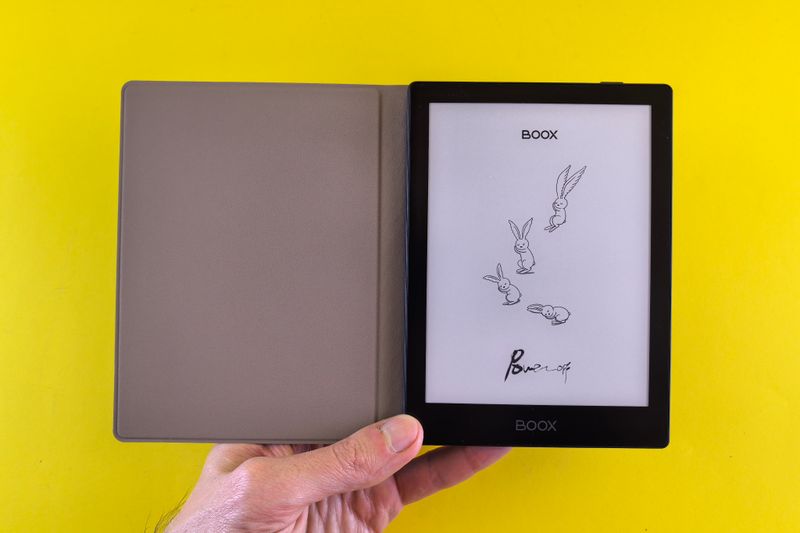
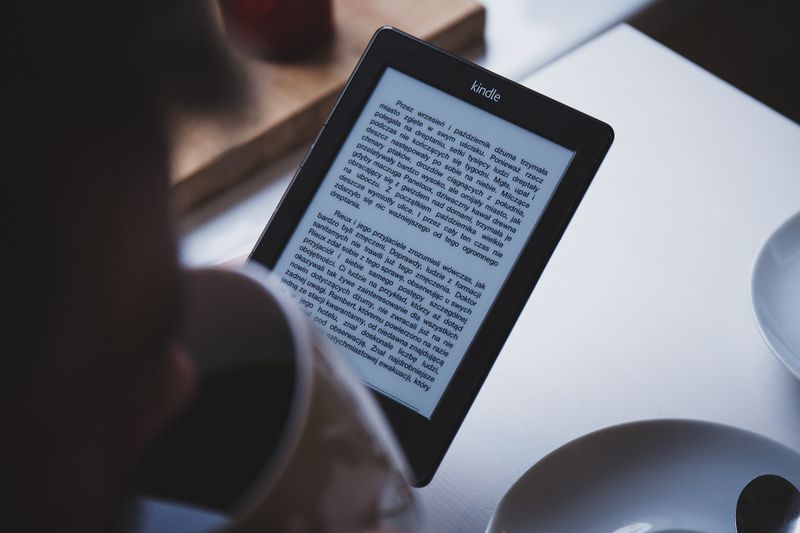
Amazon’s Kindle Scribe 2 remains the undisputed champion for the avid reader who also needs to take occasional, high-quality notes. While the original Scribe was criticized for its limited note-taking software, the 2026 edition has overhauled the experience. It now features "Active Margins," allowing users to write directly on the pages of millions of Kindle books without obscuring the text, with those notes then being exportable as searchable PDFs.
The hardware is quintessential Amazon: sleek, durable, and featuring a 300 PPI (pixels per inch) Paperwhite display that offers the crispest text rendering on the market. The front-light system is the best in its class, featuring an adjustable warm light that makes reading in total darkness a strain-free experience.
The Kindle Scribe 2 is particularly effective for those deeply embedded in the Amazon ecosystem. The seamless integration with Audible, Goodreads, and the Kindle Store makes it a leisure-first device that moonlights as a serious productivity tool. While it lacks the advanced file-management systems of the Supernote or the app flexibility of the Boox, its battery life—stretching into six or seven weeks—is unmatched.
Kobo Elipsa 3
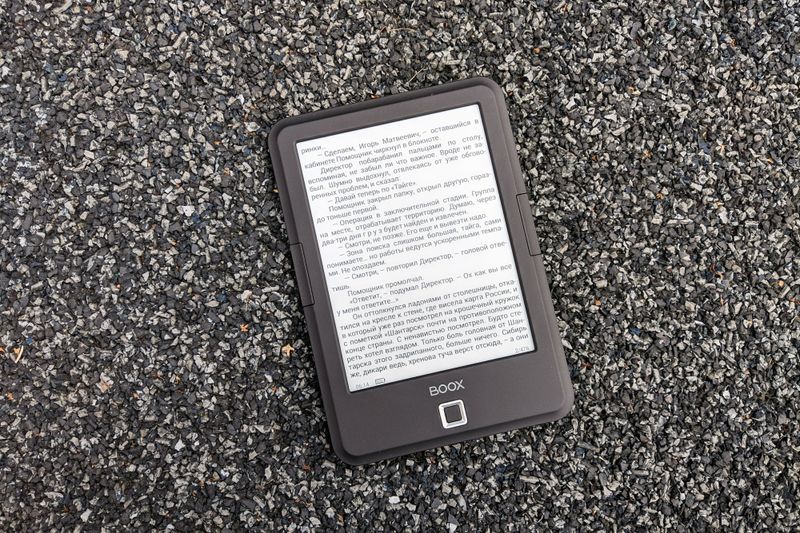
The Kobo Elipsa 3 is the dark horse of the E-Ink world, offering a compelling alternative for users who want to avoid the closed ecosystems of Amazon or the high price points of reMarkable. Kobo’s strength lies in its support for nearly every file format, including native EPUB, CBR, and CBZ support, making it the favorite for comic book readers and researchers who source their own documents.
The Elipsa 3 features a 10.3-inch E Ink Carta 1300 display, which provides improved contrast over previous generations. Kobo has also integrated "Nebo" handwriting recognition technology into its core software. This allows users to convert handwritten scribbles into perfectly formatted digital text with a double-tap.
One of the most significant advantages of the Elipsa 3 is its built-in OverDrive and Libby integration. This allows users to borrow ebooks and digital magazines directly from their local public library for free, right on the device. For students or lifelong learners on a budget, the Kobo Elipsa 3 provides a high-end note-taking experience combined with the most consumer-friendly content-acquisition model available today.
Key Considerations When Choosing an E-Ink Tablet
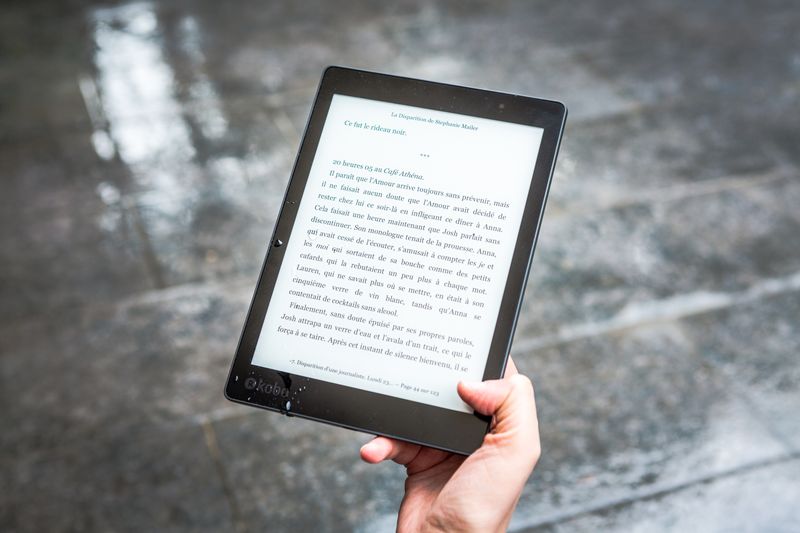
When selecting your device in 2026, several technical factors should influence your decision beyond just the brand name. The first is the choice between monochrome and color. While color E-Ink has improved drastically, monochrome screens still offer higher contrast and a "whiter" background, which some find more comfortable for long-form reading. If you primarily write text and read novels, a monochrome display like the reMarkable or Supernote is often superior. If you review PDFs with colored charts or read magazines, the Boox Note Air4 C is the clear winner.
The second factor is the stylus technology. Most of these devices use EMR (Electro-Magnetic Resonance) technology, which means the pens do not require charging. However, the "feel" of the nib varies. Some users prefer the "scratchy" pencil-like feel of the reMarkable, while others prefer the "soft" gel-pen feel of the Supernote. If possible, research the specific nib types, as this is the most frequent point of contact between you and the device.
Finally, consider the synchronization workflow. Do you need your notes to appear in Microsoft Teams or Slack instantly? Or are you looking to disconnect from the internet entirely? The Onyx Boox offers the most connectivity, while the reMarkable and Supernote offer a more siloed, focused experience.
The Future of the Paperless Office
The adoption of E-Ink technology represents more than just a hardware shift; it represents a movement toward intentionality in our digital lives. As we navigate 2026, the ability to focus is becoming a rare and valuable commodity. By moving our notes and reading materials to a device that does not demand our attention with pings and pop-ups, we reclaim the mental space necessary for deep thought and creativity.
Each of the five devices mentioned above offers a different path toward this goal. Whether you choose the minimalist elegance of the reMarkable Paper Pro, the open-ended power of the Onyx Boox Note Air4 C, the logical structure of the Supernote A5 X2, the library-centric Kindle Scribe 2, or the versatile Kobo Elipsa 3, you are investing in a tool that respects your cognitive boundaries. The transition to digital paper is no longer a compromise—it is an upgrade to the way we think, work, and learn.
Where to buy
Prices change often, so check the current deal before you buy.
Links go to Amazon. As an Amazon Associate we earn from qualifying purchases.