Foldable Bluetooth keyboards: are they worth replacing your tablet setup?
The dream of the truly "lite" office has been a decade in the making. In 2026, as mobile processors in tablets rival the performance of high-end desktops, the bottleneck for most professionals isn't the power of the device in their hands—it is the interface between their fingers and the screen. For years, the default solution has been the keyboard folio: a heavy, integrated case that turns a slim tablet into a faux-laptop.
Our picks at a glance11 products
- 01
 The Evolution of the Foldable Keyboard in 2026Check price
 - 02
 The Ergonomic AdvantageCheck price
 - 03
 Addressing the "Gap" and Stability IssuesCheck price
 - 04
 Battery Life and Charging in the Modern EcosystemCheck price
 - 05
Comparing the Current Leaders in Foldable TechCheck price
- 06
 The Ultra-Compact Tri-FoldCheck price
 - 07
 The Ergonomic Split-FoldCheck price
 - 08
 The Professional Mechanical FoldableCheck price
 - 09
 Software IntegrationCheck price
 - 10
 Is It Worth the Switch?Check price
 - 11
 The Final VerdictCheck price
However, a significant shift is occurring in the mobile productivity space. Foldable Bluetooth keyboards, once dismissed as flimsy novelties for tech enthusiasts, have matured into precision instruments. As we navigate a landscape where hybrid work and digital nomadism are the standard, many are asking: is it time to ditch the bulky folio and the cramped laptop for a dedicated foldable keyboard?
The Evolution of the Foldable Keyboard in 2026

To understand if these devices are worth your investment, we must look at how far the technology has come. Gone are the days of "mushy" silicone keys and frequent Bluetooth drops. The current generation of foldable keyboards utilizes high-grade scissor-switch mechanisms and, in some premium models, low-profile mechanical switches that provide tactile feedback previously reserved for desktop setups.
The standard for 2026 includes seamless multi-point Bluetooth 5.4 connectivity, allowing users to switch between a tablet, a smartphone, and even a handheld workstation with a single keystroke. Furthermore, the integration of Hall effect sensors ensures that these keyboards wake up and pair the instant they are unfolded, removing the friction that used to plague older mobile peripherals.
Why Portability Still Rules the Professional World
The primary argument for the foldable keyboard is the liberation of the tablet itself. When you use an integrated keyboard case, your tablet is permanently tethered to a specific weight and thickness. By switching to a high-quality foldable keyboard, you reclaim the "tablet-ness" of your device.
When you need to read a document, sketch with a stylus, or watch a presentation, you aren't fighting the extra pound of plastic and magnets attached to the back. When it is time to write, you simply unfold your keyboard. For those who travel frequently, the weight savings are non-negligible. A modern tri-fold keyboard often weighs less than 200 grams, whereas a premium keyboard folio for a 13-inch tablet can exceed 700 grams.
The Ergonomic Advantage: Breaking the "Laptop Hunch"
One of the most overlooked benefits of a detached foldable keyboard is ergonomics. When using a laptop or a tablet folio, the screen and keyboard are physically connected, forcing a compromise. Either the keyboard is at the correct height for your wrists and the screen is too low (causing neck strain), or the screen is at eye level and the keyboard is unusable.
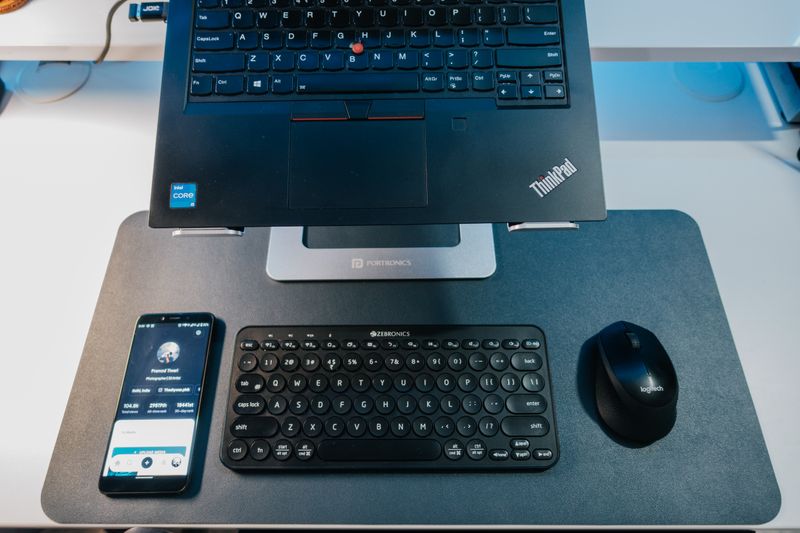
A standalone foldable keyboard allows you to place your tablet on a riser or a stand at eye level while keeping the keyboard in an ergonomically sound position for your hands. In 2026, with the rise of lightweight, folding tablet stands, the "separate" setup is significantly healthier for long-form writing or coding sessions than any integrated solution.
Addressing the "Gap" and Stability Issues

The skeptics of foldable keyboards usually point to two main flaws: the "gap" in the middle of the layout and the lack of "lappability."
Earlier designs often split the space bar or moved keys to accommodate the hinge, leading to a frustrating learning curve. However, the 2026 design standards have largely solved this through offset hinges and "U-shaped" ergonomic layouts that naturally follow the angle of the human wrist. While it may take a few hours to adjust, most professional writers find they can reach their full words-per-minute (WPM) capacity quickly.
The "lappability" issue—the ability to use the device on your lap—remains the final frontier. Because foldable keyboards require a flat surface to remain stable, they aren't ideal for use in a cramped coach seat on an airplane or a park bench. If your primary work environment lacks a table, an integrated folio case still holds the advantage. But for the coffee shop, the library, or the co-working space, the foldable keyboard wins on every other metric.
Battery Life and Charging in the Modern Ecosystem

Power anxiety is a thing of the past. In 2026, USB-C is the universal standard, and foldable keyboards have benefited immensely. Most high-end models now offer "charge once a season" battery life. With low-energy Bluetooth protocols, these devices can last for 100 to 150 hours of active typing on a single charge, with standby times measured in months. Some models even feature integrated solar strips or kinetic charging hinges, though these remain niche features for extreme travelers.
Comparing the Current Leaders in Foldable Tech
If you are considering making the switch, it is important to categorize the types of keyboards available, as "one size fits all" does not apply to typing preferences.
The Ultra-Compact Tri-Fold
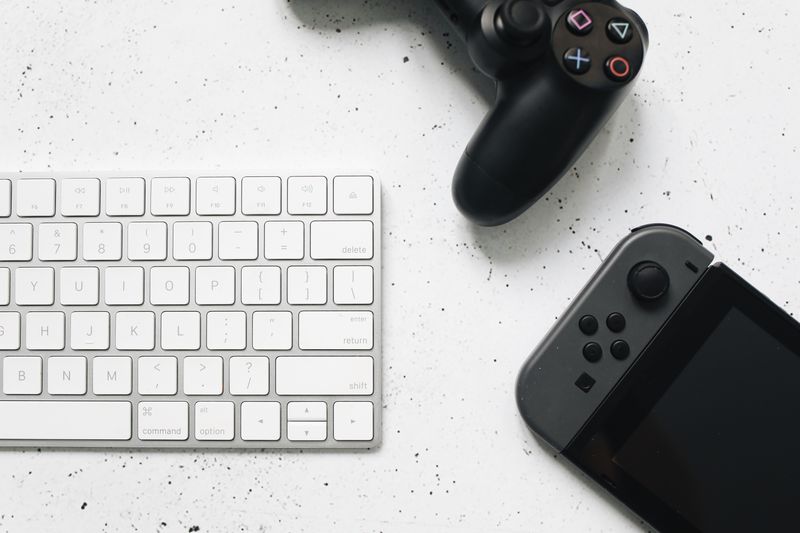
This is the gold standard for the minimalist. These keyboards fold into a shape roughly the size of a large smartphone. They often include a small integrated trackpad on the right-hand side, which is essential for iPadOS and Android tablet users who want to avoid touching the screen constantly. The tri-fold design protects the keys when closed, making it the most durable option for being tossed into a backpack without a protective sleeve.
The Ergonomic Split-Fold
Designed for those who prioritize long-term wrist health, these keyboards fold at an angle. When opened, they create a "V" shape that aligns with the natural position of the forearms. In 2026, these have become incredibly popular among developers and writers who work from tablets. While they have a slightly larger footprint when unfolded, their health benefits far outweigh the minor increase in desk space.
The Professional Mechanical Foldable
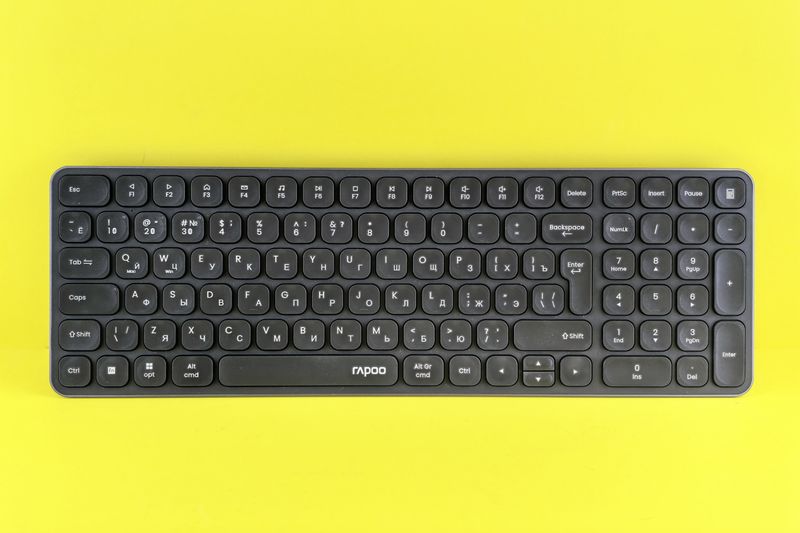
A relatively new arrival in the 2026 market, these keyboards cater to the "tactile purist." They use low-profile mechanical switches (usually red or brown equivalents) that provide a satisfying "click" and deep travel. While slightly thicker than their scissor-switch counterparts, they offer a typing experience that is indistinguishable from a high-end desktop keyboard. For those who find tablet typing "dead" or "unresponsive," this is the upgrade that changes everything.
Software Integration: The Silent Hero

The hardware is only half the story. In 2026, mobile operating systems have finally caught up to the hardware. Both iPadOS 19 and Android 16 feature robust keyboard shortcut customisation. A high-quality foldable keyboard now supports complex "Hyper-key" macros, allowing you to launch apps, manage window tiling, and execute system commands without your hands ever leaving the home row. This level of software integration makes the foldable keyboard feel like a natural extension of the tablet rather than a bolted-on afterthought.
Is It Worth the Switch?

To answer the titular question: for 80% of professional users, yes, a foldable Bluetooth keyboard is worth replacing a traditional tablet setup.
If you are a "prosumer" who uses a tablet for emails, content creation, coding, or long-form writing, the combination of a detached, ergonomic keyboard and a separate tablet stand offers a superior experience. You gain better posture, a lighter daily carry, and a more tactile typing experience.
However, if your work is highly "mobile" in the literal sense—meaning you type while standing, while riding in vehicles, or in environments without tables—the structural rigidity of a keyboard folio like the Magic Keyboard or its competitors remains a necessary evil.
The Final Verdict

As we look at the tech landscape of 2026, the trend is clear: modularity is winning over integration. We want our devices to be thin and light when we are consuming media, but we want them to be robust and ergonomic when we are creating it.
Foldable Bluetooth keyboards have finally reached the point where they offer no compromises in build quality or typing speed. By decoupling the keyboard from the tablet case, you aren't just buying a peripheral; you are buying a more flexible, healthy, and efficient way to work. If you find yourself frustrated by the weight of your current tablet "laptop" setup, the solution isn't a new tablet—it's a better way to talk to the one you already have.
The investment in a premium foldable keyboard is an investment in your mobile workflow. In an era where the world is your office, having a keyboard that can disappear into a pocket but perform like a desktop is the ultimate competitive advantage.
Where to buy
Prices change often, so check the current deal before you buy.
- The Evolution of the Foldable Keyboard in 2026See current deal ↗
- The Ergonomic AdvantageSee current deal ↗
- Addressing the "Gap" and Stability IssuesSee current deal ↗
- Battery Life and Charging in the Modern EcosystemSee current deal ↗
- Comparing the Current Leaders in Foldable TechSee current deal ↗
- The Ultra-Compact Tri-FoldSee current deal ↗
- The Ergonomic Split-FoldSee current deal ↗
- The Professional Mechanical FoldableSee current deal ↗
- Software IntegrationSee current deal ↗
- Is It Worth the Switch?See current deal ↗
- The Final VerdictSee current deal ↗